-

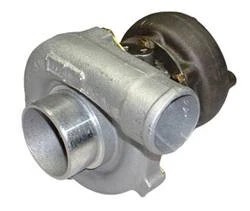
 Pro Turbo Kit (Low Boost) Does your 2RZ engine need some more power? The best way to boost the performance of these little engines is to bolt a turbo up to it!! LC Engineering has already done all...$3,600.18
-

 Pro Turbo Kit (High Boost) Does your 2RZ engine need some more power? The best way to boost the performance of these little engines is to bolt a turbo up to it!! LC Engineering has already done...$3,442.03
-
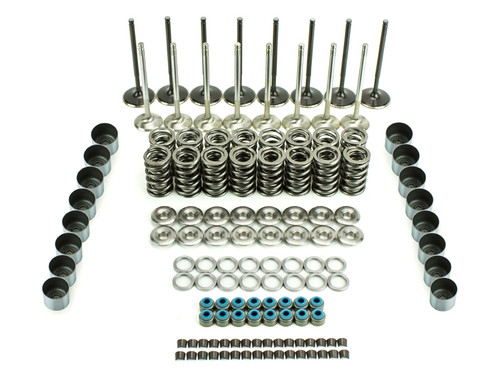 Valve Train Kit (Turbo) This valve train kit will supply you with all the compatible parts to upgrade the valve train on your performance turbo engine. Intake Valves These high-quality 37.5mm...$1,534.13
-

 Stage 5 (Turbo) LC Engineering has the largest selection of Toyota cams anywhere which means that no matter what application you have we can get the right cam for you. With power potential over...$937.78
-

 2RZ/3RZ Stage 3 Turbo Camshaft Set LC Engineering has the largest selection of Toyota cams anywhere which means that no matter what application you have we can get the right cam for you. The...$937.78
-
 CNC Turbo Manifold This manifold was originally designed by Steed Speed Performance, and we are happy to say that LC Engineering has taken over the production and manufacturing of these incredible...$927.28
-
 Turbocharger Oil Drain Line | Stainless Steel Braided with Fire Sleeve Ensure maximum protection and reliable oil scavenging for your forced-induction setup with this High-Performance Stainless Steel...$63.15
-
 Oil Feed Line (Stainless Steel Braided) Looking for a better oil feed line for your turbo? Look no further, LC Engineering has everything you need. This particular line was designed for our Turbo...$34.40
-
fast shipping
Speed Delivery