
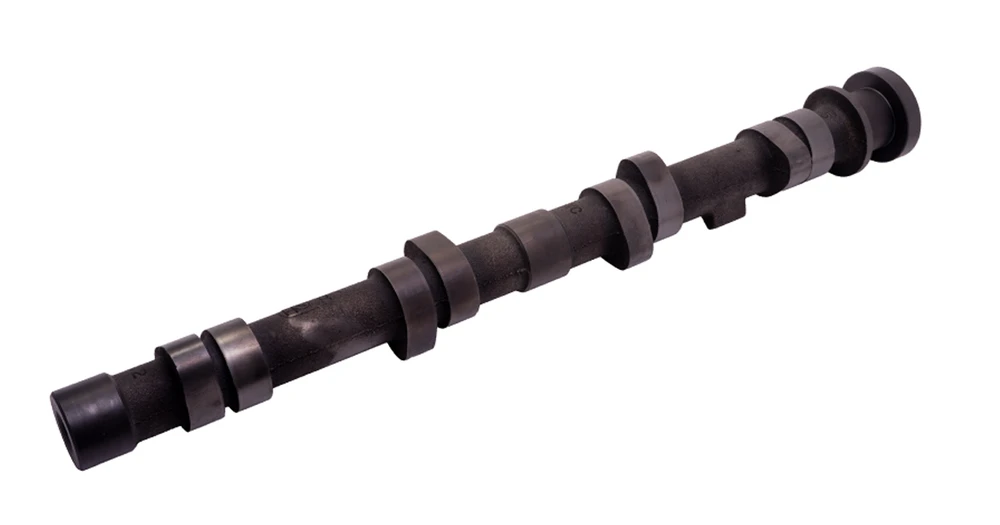
How to Choose a 22R/RE Camshaft: Complete Upgrade Guide | LCE
Posted by Bryan Young on Dec 30th 2024
Why Camshaft Selection Matters on a 22R/RE
Upgrading the camshaft is one of the most common and most efficient power upgrades you can make on a Toyota 22R or 22RE engine. A well-matched cam can add horsepower over a stock grind, broaden the power band, and transform how the truck feels under throttle — without forced induction and without major bottom-end work.
But a camshaft is not a drop-in upgrade. The cam is the metronome of the valve train, and changing it changes everything else: the rocker arms it rides on, the springs that close the valves behind it, the gear that times it to the crank, and the fuel and ignition systems that have to keep up with the new airflow. Get that right and the cam delivers everything it should. Get them wrong and you can shorten engine life, lose power on the dyno, and in the worst case bend a valve.
This guide covers the six things you need to consider before you order a cam for your 22R, 22RE, or 22RTE engine, plus the LCE products that match each consideration. It is written for owners, builders, and restorers who want the right answer the first time.
LC Engineering Pro Tip: The single most common mistake we see is people choosing a camshaft based on advertised horsepower numbers alone. The camshaft that makes the most peak horsepower is rarely the one that makes your truck the most fun to drive. Match the cam to how you actually use the vehicle — daily driver, weekend wheeler, race truck — not to the highest dyno number on a spec sheet.
Looking for a camshaft, rocker arms, or a complete valve train kit? LC Engineering manufactures stock replacements and all the way up to our Stage 5 Outlaw racing camshafts, OE-quality rocker arm assemblies, adjustable cam gears, and matched valve train kits for the 20R, 22R, 22RE, and 22RTE — dyno-validated and built to documented specs.
The 6 Considerations Before You Choose a Camshaft
Every consideration below has both a "why it matters" and a "what to buy" component. Skipping any one of them is how a $300 cam upgrade turns into a $3,000 rebuild.
1. Rocker Arms
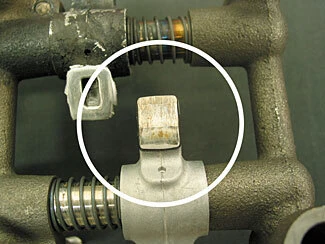
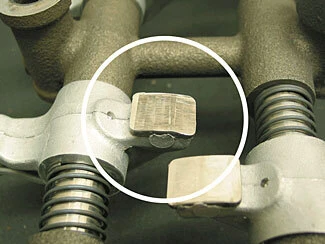
LC Engineering strongly recommends replacing the rocker arms when a new camshaft is installed. The reason: the rocker arm will wear — "burnish" is the technical term — before the camshaft lobe will. When you install a fresh camshaft against a set of used rocker arms, the new camshaft lobe contacts the old burnish mark in a slightly different spot, creating an uneven wear surface. Most of the time, the two burnish marks overlap and create scoring that eventually leads to camshaft failure.
It is technically possible to resurface rocker wear pads, but it is not recommended for two reasons. First, if the burnish mark runs all the way across the wear pad, there is not enough good material left to save. Second, resurfacing removes the factory heat treating, leaving the wear face soft — and it changes the geometry and the effective rocker ratio, neither of which you want.
Examples of normal versus abnormal wear are shown below. If you are not certain whether your rockers are reusable, please contact our Technical Department.
How an abnormal wear pattern looks on a rocker arm wear pad.
How an extremely worn rocker arm wear pad looks.
What to buy: LCE stocks both OE rocker arm assemblies and complete rocker sets with adjusters and nuts for the 20R, 22R, 22RE, and 22RTE.
2. Adjustable Cam Gear
Adjustable cam gears are used to correct camshaft timing after the head has been milled or the block has been decked — both of which change the relationship between the crankshaft and the camshaft. They are also the right tool for dialing in a camshaft: advancing the camshaft moves the power band lower (better low-end torque), retarding it moves the power band higher (better top-end pull).
If you are running a stock head and block, you can often install a performance camshaft without an adjustable gear. If you have milled the head, decked the block, or stacked head gaskets to change deck height, an adjustable cam gear is not optional — it is required to get the camshaft timed correctly to the crank.
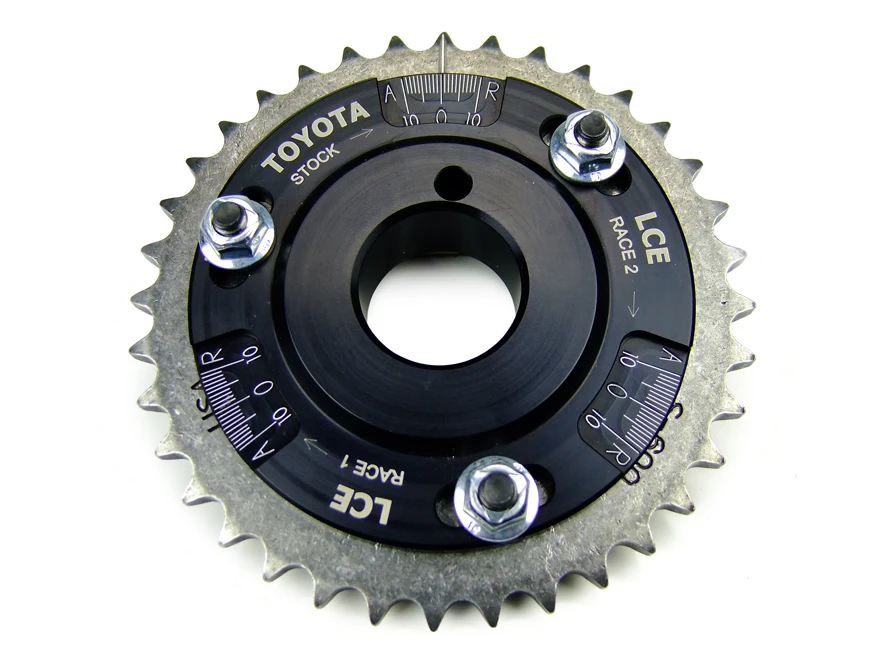
What to buy: LCE makes both single-row and dual-row chain adjustable cam gears for the 20R/22R/RE/RET. If you are running a dual-row timing chain conversion, get the dual-row gear; otherwise the single-row matches the factory chain.
3. Valve Train (Springs, Retainers, Seals)
Choosing the right camshaft and matching the valve train to it is the single biggest factor in making the camshaft work the way it was designed to. Every camshaft has a designed lift, duration, and lobe profile, and the valve springs have to match the lift so the valves can fully open and fully close at the speed the cam dictates.
Stock valve springs are spec'd for stock cam lift — usually about .400" lift. Run a higher-lift camshaft on stock springs and the springs will either coil-bind (the coils touch each other before the camshaft reaches full lift, which destroys the spring) or float at high rpm (the spring does not have enough pressure to close the valve before the camshaft comes back around, which can lead to a piston-to-valve collision). Neither outcome is recoverable.
The rule: any camshaft that exceeds factory lift needs upgraded valve springs. Springs need matching retainers and locks. Stem seals should be replaced any time the head is opened up — they are cheap and they fail with age regardless of mileage.
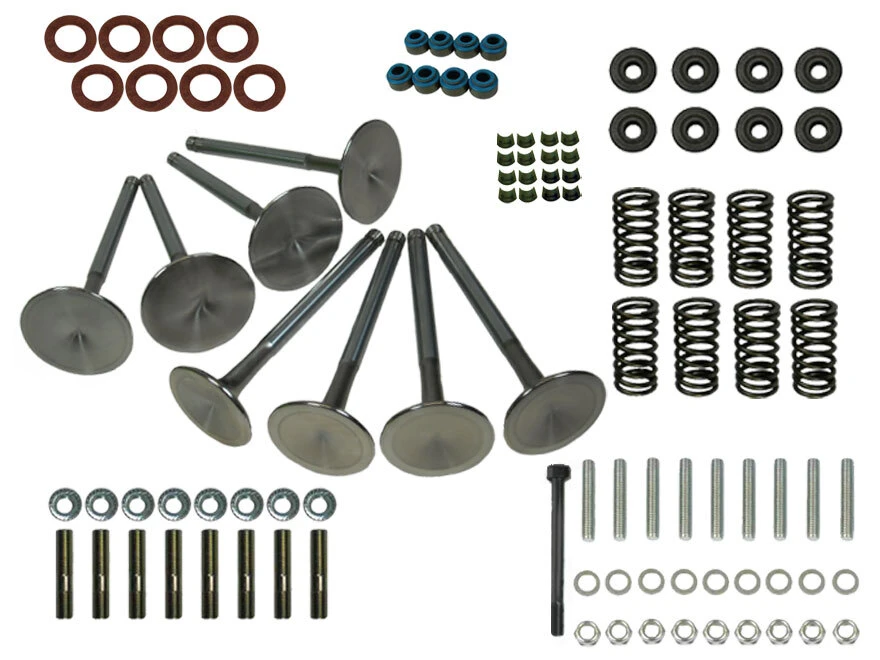
What to buy: For street builds, the Street Performer Valve Spring Set handles most Stage 2 and Stage 3 camshafts. For higher-lift cams or race applications, the Pro Dual Valve Spring Set is the answer. The simplest path is a complete kit: the LCE Pro Cylinder Head Valve Train Kit for 22RE/RET (or the carbureted 22R version) includes everything matched, in one box.
4. RPM Range and Power Band
When selecting a camshaft, the first question is not "how much power" — it is "where in the rpm range do I want the power." A camshaft that makes peak power at 4,000 rpm and a camshaft that makes peak power at 6,500 rpm can produce the same horsepower number on a dyno chart, but they make completely different vehicles.
The 22R/RE redlines at 5,500 rpm in factory tune, and most street trucks rarely see the top half of that. If you are driving the truck daily, a camshaft that wakes up at 2,500 to 4,500 rpm is what you want. If you are building a weekend wheeler or trail truck, the same range works. If you are building a race or competition vehicle that lives at the top of the tach, then the higher-rpm grinds make sense.
Bigger lift and longer duration are not always better. A camshaft with too much overlap will idle poorly, make weak vacuum, and give up bottom-end torque — all problems that matter every day on a street truck.
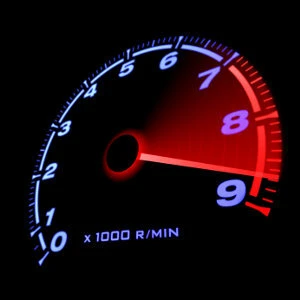
What to buy: LCE offers five stages of camshaft for the 20R/22R/RE/RET, each tuned for a different RPM range and application. The Pro Torquer / Street Performer camshaft is the daily-driver grind — smoother idle, good low-end torque, and the most popular street performance grind LCE sells. The Stage 2 and Stage 3 camshafts move into higher-rpm territory for built motors with matched valve train. The Stage 4 and Stage 5 camshafts are race grinds that require a fully built top end. For turbo builds, the Pro Turbo Camshaft is profiled for 10+ pounds of boost.
5. Valve-to-Piston Clearance
This is the most-overlooked consideration on the list, and the one with the worst consequences when it gets missed. A higher-lift camshaft opens the valves further into the cylinder — and if the valve travels far enough to contact the piston at top dead center, the engine eats itself.
Valve-to-piston clearance is set by three things: the cam lift, the piston dome design, and the valve recess in the piston (the "valve relief"). Stock 22R/RE pistons have enough relief for stock cam lift, with a comfortable safety margin. Increase the cam lift, change pistons, or mill the head, and the safety margin shrinks fast.
The rule: any time you change any one of those three variables, check the clearance. LCE recommends 0.100" of clearance on most builds; performance builds will go as tight as .080". If you do not have clearance, notch the pistons (cut deeper valve reliefs into the piston dome) before you assemble the engine.
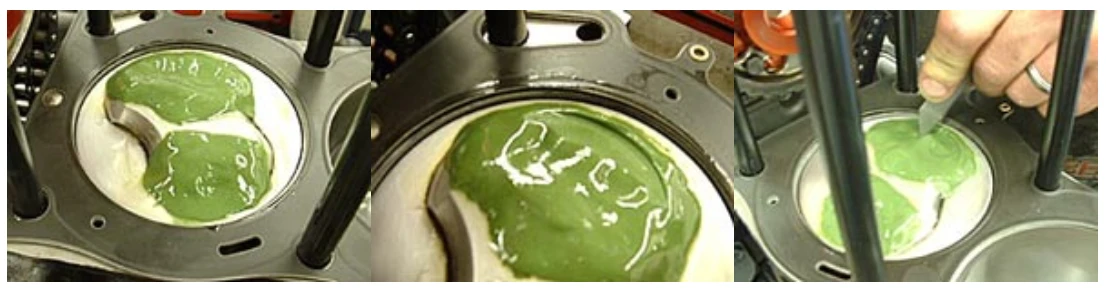
What to use: The LCE Cam Degree Kit is the right tool for degreeing the camshaft. While the cam degree kit is the correct way to time the camshaft, we recommend piston clay to verify piston-to-valve clearance. If you are building a stroker or running a high-compression piston, plan for an LCE forged piston with built-in valve reliefs sized for the camshaft you are running.
6. Fuel Management
A bigger camshaft moves more air. More air needs more fuel. Whether you are running a carburetor or fuel injection, this is the part of the build that owners most often try to skip — and the part that most often costs them power on the dyno after spending the money on the camshaft.
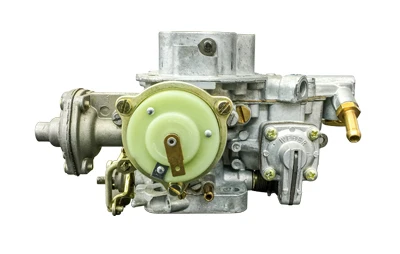
On a carbureted 22R, fuel management means re-jetting the carburetor for the new airflow. If you go to a Stage camshaft, the factory carb may not flow enough — you may need to step up to a larger carb (a Weber 32/36 for a mild build, or a 38mm DGAS for a higher-flow build).
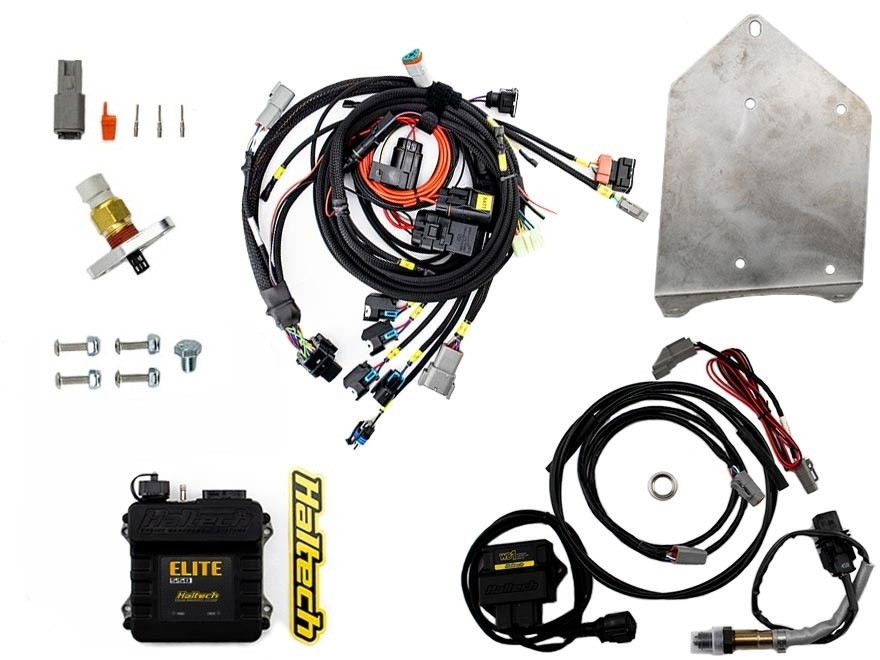
On a fuel-injected 22RE, the factory ECU has very little tuning room. You can get away with a Pro Torquer / Street Performer camshaft on the factory ECU, but anything bigger needs a standalone engine management system. Without it, the ECU will run the engine lean at the top of the rpm range, you will lose power at the camshaft's peak, and you risk detonation.
One Last Thing Before You Install
Before you remove your existing camshaft, hand-rotate the new camshaft in the cylinder head and make sure it spins freely without binding. If it does not, do not install it — something is wrong with the head clearance, the bearing journals, or the camshaft itself, and forcing it in will destroy the camshaft, the head, or both.
Frequently Asked Questions About 22R/RE Camshafts
What is the best 22RE camshaft for daily driving?
For a 22R or 22RE that is driven daily — commuting, towing, hauling, occasional trail use — the LCE Pro Torquer / Street Performer camshaft is the right grind. It improves low-end torque and broadens the power band without giving up idle quality, vacuum, or fuel economy. The Stage 2 camshaft is a step up for owners who want noticeably more power and are willing to accept a slightly rougher idle. Anything Stage 2 and higher is built for trucks that spend most of their life above 3,500 rpm and require a standalone engine management system.
Do I have to replace my rocker arms when I install a new camshaft?
LC Engineering strongly recommends replacing the rocker arms with any new camshaft installation. The reason is that used rocker arms have worn ("burnished") wear pads, and a new camshaft contacts the burnish mark in a slightly different spot — creating uneven wear that almost always leads to scoring and eventual camshaft failure. Resurfacing the rocker wear pads is technically possible but removes the factory heat treating and changes the rocker geometry, so it is not recommended. New rocker arms cost a fraction of what a damaged camshaft does.
What is the difference between LCE's Stage 2, 3, 4, and 5 camshafts?
The LCE stages are progressively more aggressive grinds with progressively higher lift, longer duration, and higher peak-power RPM ranges. The Pro Torquer / Street Performer is the most popular street performance grind — noticeable power with a smooth idle. Stages 2 and 3 are for a built motor that requires upgraded valve train. Stages 4, 5, and the Outlaw are race-only grinds that need a fully built top end and are not recommended for street use. For turbocharged 22RTE applications, the LCE Pro Turbo Camshaft is profiled specifically for 10+ pounds of boost.
Will a performance camshaft make my 22RE fail emissions testing?
In most states with emissions testing, a Stage 2 camshaft will pass without modification because idle quality and vacuum remain close to stock. Stage 3 and higher camshafts typically cause failures on visual inspection (lumpy idle, low manifold vacuum) and on tailpipe sniffer tests due to the increased overlap. If you live in a state with strict emissions enforcement (notably California), check your local rules before ordering. The LCE Stage 2 grind is the safest choice for staying smog-legal.
Do I need an adjustable cam gear for a performance camshaft?
An adjustable cam gear is required any time the head has been milled, the block has been decked, or you have stacked head gaskets to change deck height — any of these changes the timing relationship between the crank and the camshaft and requires an adjustable gear to correct it. It is also useful for dialing in a cam to bias the power band lower (advance the camshaft) or higher (retard the camshaft). If you are running a completely stock head and block, you can install a performance camshaft without an adjustable gear, but most builders include one anyway because the future cost of milling the head later is much higher than the cost of the gear today.
Will my factory 22RE ECU work with an upgraded camshaft?
The factory 22RE ECU has very little tuning headroom — it is acceptable for a Pro Torquer / Street Performer camshaft but starts running out of room at Stage 2 and above. For any camshaft beyond Stage 2, plan on a standalone engine management system to keep fuel and timing matched to the new airflow. Without it, the engine will run lean at the top of the rpm range, costing power at the camshaft's peak and risking detonation.
How long do 22R/RE rocker arms last?
Factory rocker arms typically last the life of the camshaft they are running with — usually 100,000 to 150,000 miles on a stock motor with proper maintenance. The wear surface develops a normal "burnish" pattern over time. Once the burnish mark covers the full wear pad, or the surface shows scoring, the rocker arms have reached the end of their service life and must be replaced before a new camshaft is installed.
Ready to Upgrade Your Camshaft?
LC Engineering manufactures camshafts, rocker arm assemblies, adjustable cam gears, and complete valve train kits for the 20R, 22R, 22RE, and 22RTE — built to documented specs, dyno-validated, and supported by the technical experience of 40 years of 22R-family engine building. Whether you are choosing your first performance camshaft or sourcing a complete top-end kit for a race build, the parts and the technical help are one phone call away.
- Browse 22R/RE camshafts
- Browse adjustable cam gears
- Browse performance kits for the 22R family
- Browse 22R/RE crate engines and long blocks
- Call our tech line: (928) 505-2501
- Email: support@lcengineering.com