
-
 3VZ Street Header Kit (w/o Crossover) Hands down the best 3.0L performance headers on the market! These headers are constructed using all stainless steel tubing, 16 gauge .065 wall, and 1/2" thick...$842.57
 -

 Street Header Kit (Long-Tube) Toyota's latest 4-cylinder also gets attention from LC Engineering! The 2.7Liter VVTI inline 4-cylinder, known as the 2TR, has a brand-new stainless steel header...$842.57
 -
 Street Header Kit (50 State Legal) Whether your truck is bone stock or built for extra performance, the LC Engineering Street Header is the "best bang for your buck" bolt-on part you can buy. You...$662.00
 -
 Street Header Kit for 1985-1995 22R/RE Toyota Engines (4WD) (50 State Legal C.A.R.B. EO: D-462-1) Whether your 1985-1995 Toyota truck is bone stock or built for extra performance, the LC Engineering...$662.00
 -
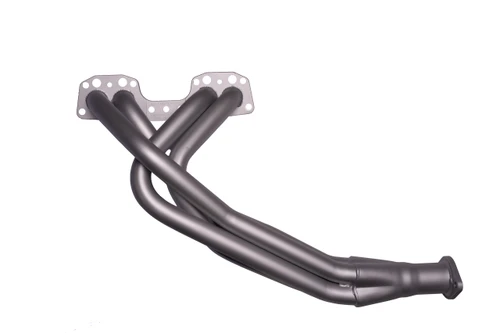 Street Header Kit (50 State Legal) Whether your truck is bone stock or built for extra performance, the LC Engineering Street Header is the "best bang for your buck" bolt-on part you can buy. You...$662.00
 -
 Street Header Kit (50 State Legal C.A.R.B. EO: D-462-1) Whether your truck is bone stock or built for extra performance, the LC Engineering Street Header is the "best bang for your buck" bolt-on...$662.00
 -
 Pro Race Header KitHigh RPM Race Applications Only LC Engineering has been making race headers for over 20 years; so when we say that this is the best header on the market, we know what we are...$625.90
 -
 Street Header Kit (50 State Legal 1995 - 1999) This is the highest quality Stainless Steel Header for your 2RZ engine. The long tube design of this header is the best for horsepower and torque. The...$625.89
 -
 Pro Race Header KitHigh RPM Race Applications Only LC Engineering has been making race headers for over 20 years; so when we say that this is the best header on the market, we know what we are...$601.82
 -
 Tacoma Street Header Kit (50 State Legal 1995 - 1999) This high-quality header is a long tube design to get the most horsepower for your Tacoma. There are other headers on the market but none will...$601.82
 -

 Engine Swap Header Kit Every day more and more people are swapping newer engines into their old trucks, LC Engineering has developed a totally new header that will work with your newer 2RZ/3RZ in...$541.68
 -

 Shorty Header Kit(Not Smog Legal) Did you know that a header is a simple yet powerful bolt-on part that can significantly increase the performance of your vehicle? Unlike other complex and...$541.64
-
fast shipping
Speed Delivery