
-
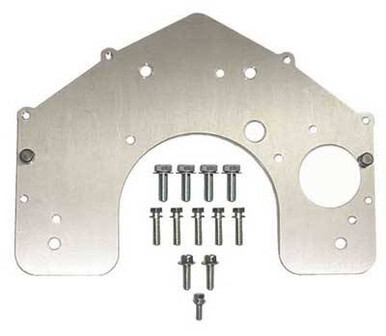
 Adapter Plate This adapter plate allows one or more gear driven transfer case(s) to be bolted up to 1988-1995 Toyota 3.0L V6 5 speed transmissions. Our updated design does not require modification...$599.99
 -
 Chevy Transmission Adapter Plate Kit This CNC-machined adapter kit is designed to mate a Toyota 1GR (4.0 Tacoma V6) engine to any Turbo Hydromatic GM transmission, Powerglide transmission bell...$454.52
 -
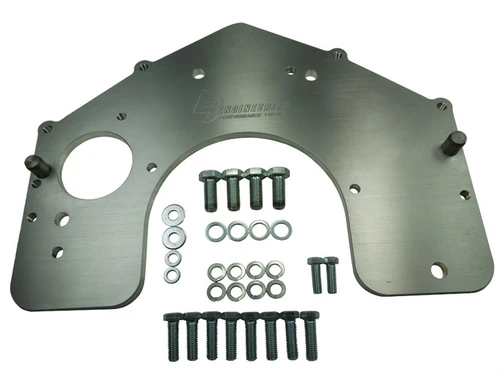 Chevy Transmission Adapter Kit | 5° Engine Offset The LC Engineering 5° Offset Transmission Adapter Kit is the professional solution for racers wanting to pair the legendary reliability of a Toyota...$340.88
 -
 Chevy Engine to Transmission Adapter Plate Kit The LC Engineering Custom Transmission Adapter Kit is a precision-engineered solution for racers looking to combine the power and reliability of a...$340.88
 -
 Chevy Transmission Adapter Plate Kit LC Engineering's custom transmission adapter kit is designed to mate a Toyota 20R/22R/RE/RET Tacoma engine to any GM Turbo-Hydromatic (350 or 400), 700R or...$340.88
 -
 Chevy Transmission Adapter (Flexplate Only) Are you wanting to bolt up a Turbo 350 or 400, 700R, Powerglide etc. to your 20/22 application? This CNC made flexplate was designed to be used with our...$340.88
 -
 Chevy Transmission Adapter (Flexplate Only) Are you wanting to bolt up a Turbo 350 or 400, 700R, Powerglide etc. to your 5VZ? This CNC made flexplate was designed to be used with our custom bell...$327.77
 -
 Flexplate Bolt Kit (OEM) Connect that flexplate with confidence. These OEM flexplate bolts are just what the doctor ordered to connect your flexplate to your engine. They have a black oxide finish...$75.18
 -
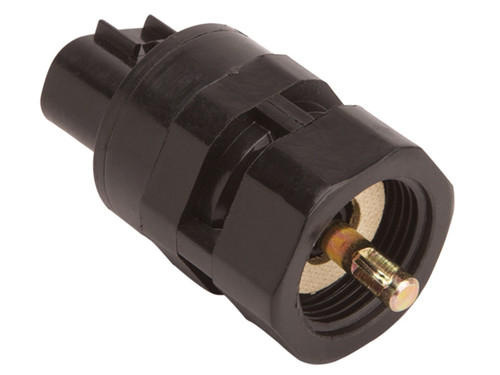
 Mechanical to Electrical Speedometer Adapter The Trail Gear Mechanical to Electrical Speedometer Adapter is the essential component for Toyota owners performing gear-driven transfer case swaps. If...$49.99
 -
 Flexplate Bolt Kit (OEM) Connect that flexplate with confidence. These OEM flexplate bolts are just what the doctor ordered to connect your flexplate to your engine. They have a black oxide finish...$11.32
 -
 Flexplate Bolt (OEM) Connect that flexplate with confidence. This OEM flexplate bolt is just what the doctor ordered to replace your flexplate bolt that you lost or misplaced. They have a black...$9.63
 -
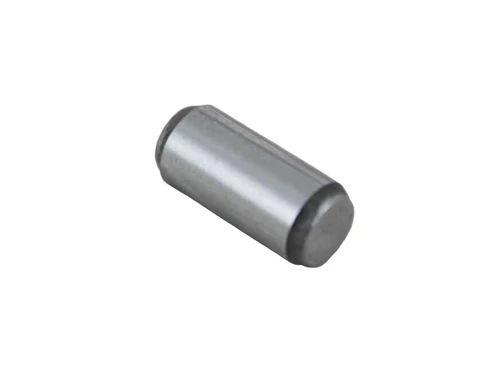 OEM Toyota Bellhousing-to-Block Alignment Dowel Pin A critical piece of hardware for maintaining strict factory tolerances between your engine block and transmission housing. Key...$3.22
-
fast shipping
Speed Delivery