
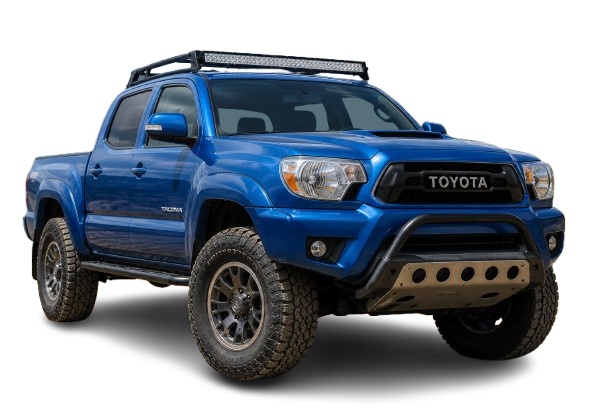
-
 Rock Defense Rear Bumper | 4WD Armor your classic Toyota with the industry's premier trail protection: the Rock Defense Rear Bumper. Specifically engineered for the 6-lug 4WD Pickup, this bumper is...$799.99
 -
 Rock Defense Front Bumper 6 Lug 4wd Only (w/ Winch Mount) When it comes to protecting your truck DOM steel is far stronger and dent resistant when compared to HREW tubing. That's why every...$799.99
 -
 Rock Defense Front Bumper 6 Lug 4wd Only (w/o Stinger) When it comes to protecting your truck DOM steel is far stronger and dent resistant when compared to HREW tubing. That's why every Trail-Gear...$799.99
 -
 Baja Designs OnX6 20" | Driving/Combo LED Light Bar The Baja Designs OnX6 20" Driving/Combo light bar is a high-performance lighting solution engineered for high-speed off-road racing and technical...$793.05
 -
 +3.5" Lift Kit w/ Shocks (Fabtech) This 3.5″ Performance System for the Toyota pickup utilizes Fabtech heavy-duty upper control arms to achieve front lift and add-a-leafs bring up the rear...$759.21
 -
 Superwinch Tiger Shark SR 11500 The Superwinch Tiger Shark SR Series combines the legendary "tough-as-nails" reliability of the original Tiger Shark with high-performance synthetic rope integration...$751.89
 -
 Hella Optilux 60 LEDs | Driving Lights Light Bar The Hella Optilux 60 LED Light Bar is a rugged, high-output lighting solution designed to provide maximum visibility for off-road and utility...$731.29
 -
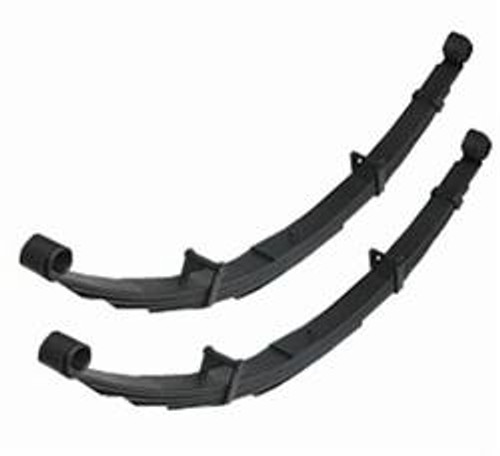 Extra-Flex Extended Rear Leaf Springs (3″ Lift) Trail-Gear leaf springs are flexible on the trail yet hold their lift year after year. Springs are pre cycled and lot tested to maintain quality...$699.99
 -
 Extra-Flex Extended Rear Leaf Springs (4″ Lift) Trail-Gear leaf springs are flexible on the trail yet hold their lift year after year. Springs are pre cycled and lot tested to maintain quality...$699.99
 -
 Extra-Flex Extended Rear Leaf Springs (5″ Lift) Trail-Gear leaf springs are flexible on the trail yet hold their lift year after year. Springs are pre cycled and lot tested to maintain quality...$699.99
 -

 Tube Bumper | Options Available Defend your classic rig on the toughest trails with the All-Pro Series Front Bumper. Engineered to meet the extreme demands of rock crawling and hardcore trail riding,...$649.99 - $929.99
 -
 Pro Comp DR24 | 24" Double-Row LED Light Bar The Pro Comp Explorer Series high-intensity LED lighting system redefines efficiency for off-road illumination. Engineered to perform in the most...$619.02
-
fast shipping
Speed Delivery