-
 LC Engineering HD Rear Leaf Springs (Stock Height) For quite some time LC Engineering has been offering an extra-flex extended leaf spring for Toyota Pick-ups and 4Runners. Quite a few of our...$1,080.36
 -
 LC Engineering HD Rear Leaf Springs (+2" Lift) For quite some time LC Engineering has been offering an extra-flex extended leaf spring for Toyota Pick-ups and 4Runners. Quite a few of our customers...$1,080.36
 -
 LC Engineering Rear Leaf Springs (+3" Lift) For quite some time LC Engineering has been offering an extra-flex extended leaf spring for Toyota Pick-ups and 4Runners. Quite a few of our customers...$1,080.36
 -
 LC Engineering Rear Leaf Springs (+4" Lift) For quite some time LC Engineering has been offering an extra-flex extended leaf spring for Toyota Pick-ups and 4Runners.Quite a few of our customers are...$1,080.36
 -
 Pro Comp SR48 48" Single Row LED (Flood / Spot / Comp Pattern) The new Explorer Series high intensity LED light bar from Pro Comp sets the standard in lighting efficiency. All Explorer Series LED...$1,057.80
 -
 Rigid Industries Radiance+ Curved 20" | White Backlit LED Light Bar The Rigid Industries Radiance+ Curved 20" is the perfect solution for those who want legendary Rigid quality with a high-end,...$991.88
 -
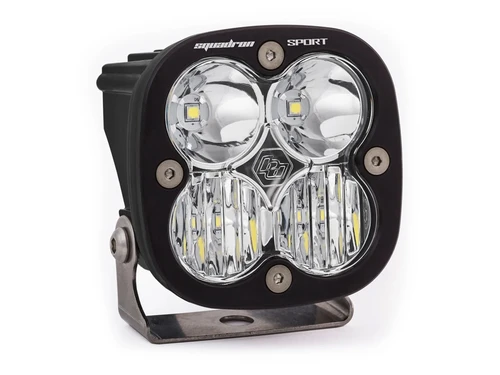 Baja Designs Squadron Sport | Wide Cornering LED Pod Whether you are outfitting a dedicated trail rig or a daily driver, the Baja Designs Squadron Sport in the Wide Cornering pattern is the...$944.15
 -
 Superwinch Tiger Shark SR 11500 | Synthetic Rope Series The new Superwinch Tiger Shark SR (Synthetic Rope) Series takes the legendary durability of the original Tiger Shark and optimizes it for...$909.22
 -
 +3" Rear Lift Kit These rear lift kits are designed to match the front Solid Axle Swap and Front Lift Kits. Kits feature long travel springs and shocks for super flexibility on the trail. These...$899.99
 -
 +4" Rear Lift Kit These rear lift kits are designed to match the front Solid Axle Swap and Front Lift Kits. Kits feature long travel springs and shocks for super flexibility on the trail. These...$899.99
 -
 +5" Rear Lift Kit These rear lift kits are designed to match the front Solid Axle Swap and Front Lift Kits. Kits feature long travel springs and shocks for super flexibility on the trail. These...$899.99
 -
 Pro Comp SR36 36-Inch Single-Row LED Bar | Hybrid Flood/Spot Pattern The Pro Comp Explorer Series high-intensity LED light bar redefines lighting efficiency for the modern off-roader. Engineered for...$881.67
-
fast shipping
Speed Delivery