
-
 Trail-Link 4 Link Rear Suspension (Rock Assault Housing / 16″ Fox Air Shocks) Four-linking your rig the easy way with the Trail-Link Four kit. Innovative design allows for quick and easy...$2,799.99
 -
 Four Link Rear Suspension Kit (OEM Housing / 16″ Shocks) Four-linking your rig the easy way with the Trail-Link Four kit. Innovative design allows for quick and easy installation. Crossmember fits...$2,799.99
 -

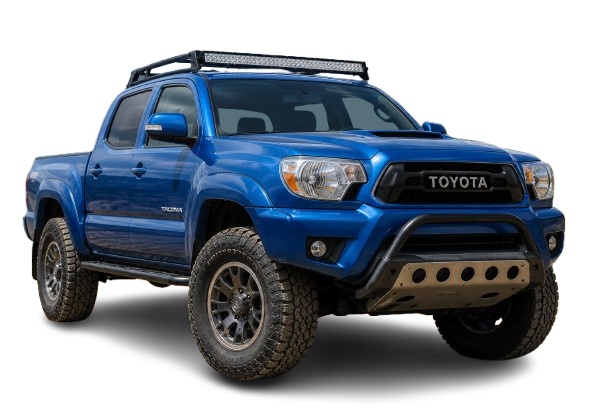
 Rigid Industries 40" RDS-Series PRO | Curved Spot LED Light Bar This Rigid Industries 40" RDS-Series PRO Spot LED Light Bar is the ultimate performance upgrade for drivers who demand maximum...$2,099.99
 -
 Four Link Rear Suspension Kit (OEM Housing) Four link your rig the easy way with the Trail-Link +Four kit. Innovative design allows for quick and easy installation. Crossmember fits between frame...$1,999.99
 -
 Four Link Rear Suspension Kit (Rock Assault Housing) Four link your rig the easy way with the Trail-Link +Four kit. Innovative design allows for quick and easy installation. Crossmember fits...$1,999.99
 -
 Front 3-Link Kit (w/ 14″ Fox Air Shocks) The Trail-Link Three Front 3-Link Kit is the only complete kit for Toyotas on the market today. This kit is affordable, user friendly, and strong. The link...$1,999.99
 -
 Baja Designs OnX6 Arc | 40" Curved LED Light Bar | Driving/Combo Amber/White Upgrade your vehicle's lighting and style with the Baja Designs OnX6 Arc 40" LED Light Bar. Beautifully curved to...$1,802.45
 -
 IFS Eliminator Kit (w/ Options) There are a lot of choices on the market for solid axle conversion. So what makes our kits stand out? We feature the highest quality parts and the most complete kit...$1,799.99
 -
 OnX6 Arc 40" Driving/Combo White LED Light Bar (Baja Designs) The NEW OnX6™ Arc Series is the perfect combination of performance and aesthetics. Beautifully arched to fit the contour of your...$1,750.95
 -

 30" RDS-Series PRO Spot LED Light Bar (RIGID) RIGID revolutionized the lighting industry with the introduction of the RDS-Series, and recent advancements in LED technology have made them more...$1,649.99
 -
 Pro Comp DR48 48" Double Row LED (Flood / Spot / Comp Pattern) The new Explorer Series high intensity LED light from Pro Comp sets the standard in lighting efficiency. All Explorer Series LED...$1,410.06
 -

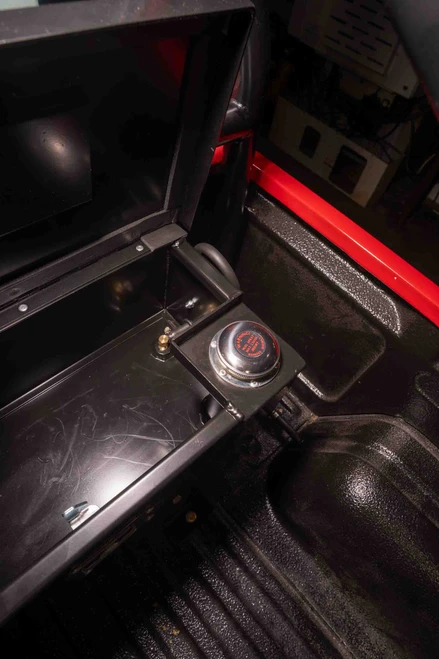 LCE 12 Gallon Auxiliary Fuel Tank with Lockable Storage Box Extend the driving range of your 1984–1995 Toyota Pickup with this 12-gallon auxiliary bed-mounted fuel tank, designed to provide...$1,350.00 - $1,500.00
-
fast shipping
Speed Delivery